Economics & Finance Basics
Fundamental principles and concepts
BayreuthX: Immigration and Labour Markets in Economic History
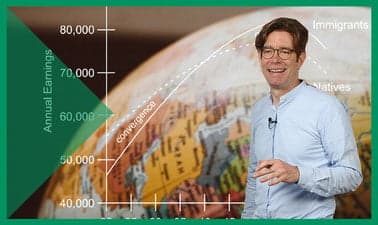
Do immigrants lower the wages of low-skilled workers? How quickly do immigrants integrate into the labour market and what policies foster integration? Explore these questions from the perspective of economic history, using empirical evidence and data analysis. This course may serve you to enhance your career options in the public or private sector.
radio_button_checkededX Subscription
₹10,634/yr
₹12,51015% OFF
Get this course and thousands more with a edX Subscription subscription.
radio_button_uncheckedIndividual Course
₹65570
Keep the course forever with lifetime access and receive a certificate.
TeamsBilled annually • 14-day free trial
₹28,072
EnterpriseFor organizations with 50+ learners
Custom Pricing
Why choose Essentials (Small Teams)?
verifiedGet this course for free with the Coursera Plus subscription.
✓ Compare courses before making a decision
Check Latest Price →Price may vary. Check latest price on provider site.
Course Insight
Suitable for beginner learners. This course serves as an entry point into Economics & Finance, building foundational knowledge before moving on to advanced frameworks or specialized paths.
Beginner FriendlyCertification IncludedSelf-Paced LearningHands-On Learning
SKILLS TO
MASTER
Practical ApplicationTrending
Real-world project implementationBest Practices
Industry standard workflows and guidelinesCareers:Relevant for professionals pursuing roles within Economics & Finance.
Quick Facts
Below sections are verified from last major sync. For real-time updates and today's latest lectures, Check official page here.
What You’ll Learn
- Learn about key facts and empirical evidence on the economic determinants of migration.
- Analyze the labour market effects of migration from a historical perspective.
- Understand how and why the skill composition of migrants changed over time.
- Distinguish between the integration of migrants and their children.
- Learn about central historical events like the Age of Mass Migration from Europe to the US, forced displacements after World War II or the Mariel Boatlift of 1980.
- Get hands-on experience in the analysis of data.
- Test your understanding of international migration and labour markets with interactive quizzes.
See side-by-side differences in what you’ll learn
Description
Are you interested in the economic effects of migration? Do you want to take a historical perspective on current debates? And which policies foster integration? These questions do not only figure prominently in today’s, often heated policy debates on immigration. They were already relevant in the past. In this course, we will review the evidence on historical migrant flows, relating past to current debates.
Students will learn key facts and empirical evidence on the economic determinants and labour market consequences of migration from a historical perspective. Topics include the skill composition of migrants; the integration of migrants and their children; and the effect of immigration on wages and employment of native workers.
The course will focus on immigration to Europe and North America since the mid-19th century. We will study each topic in the context of one major migration episode in history. Episodes include the Age of Mass Migration from Europe to the US; forced displacement after World War II; and the mass emigration of Cubans during the Mariel Boatlift of 1980.
This MOOC consists of six chapters. Each chapter will guide you through the material with a combination of videos, figures and interactive quizzes. You will also be introduced to the work of other experts in this field and can deepen your knowledge by reading articles and peer-reviewed papers. In addition, you will have the chance to do your own data analysis—for example, when exploring the relationship between settlement location and reefugee integration. The course is self-paced. However, we advise you to finish one chapter per week. Moreover, you have the option to receive a certificate after successfully completing the course and a final exam.
See how this course compares with alternatives
FAQs
Top Alternatives
Highly-rated courses worth your attention