Biology & Life Sciences Basics
Fundamental principles and concepts
DartmouthX: Bipedalism: The Science of Upright Walking
Upright walking is a hallmark of being human. Explore how this unusual form of locomotion evolved and why.
radio_button_checkededX Subscription
₹12,510/yr
Get this course and thousands more with a edX Subscription subscription.
radio_button_uncheckedIndividual Course
₹40670
Keep the course forever with lifetime access and receive a certificate.
TeamsBilled annually • 14-day free trial
₹33,026
EnterpriseFor organizations with 50+ learners
Custom Pricing
Why choose Essentials (Small Teams)?
verifiedGet this course for free with the Coursera Plus subscription.
✓ Compare courses before making a decision
Check Latest Price →Price may vary. Check latest price on provider site.
Course Insight
Suitable for beginner learners. This course serves as an entry point into Biology & Life Sciences, building foundational knowledge before moving on to advanced frameworks or specialized paths.
Beginner FriendlyCertification IncludedSelf-Paced Learning
SKILLS TO
MASTER
Practical ApplicationTrending
Real-world project implementationBest Practices
Industry standard workflows and guidelinesCareers:Relevant for professionals pursuing roles within Biology & Life Sciences.
Quick Facts
Below sections are verified from last major sync. For real-time updates and today's latest lectures, Check official page here.
What You’ll Learn
- The nature of scientific inquiry and the role of evidence in testing hypotheses.
- The mechanics of upright walking and how unusual this form of locomotion is for a mammal.
- How scientists use evidence to examine the origins of upright walking.
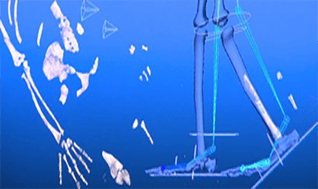
- How anthropologists use the bones of animals today to bring fossil remains of our ancestors “back to life”.
- That upright walking has advantages and costly trade-offs.
See side-by-side differences in what you’ll learn
Description
Have you ever wondered why humans walk on two legs rather than four? In this course, we will explore how science investigates this unusual form of locomotion. We will start our investigation by looking at the mechanics of upright walking in humans and comparing that to bipedal locomotion in large birds, bears, and apes.
We will journey back millions of years into the human fossil record in an effort to understand how and why upright walking evolved. Around our first birthday, each of us learned how to walk, but how does this happen? With bipedalism came costly trade-offs as well-- we’ll examine these aches and pains as byproducts of our evolutionary history.
This course will take an intentionally interdisciplinary approach to studying how and why humans move bipedally. You will be exposed to anthropology, biomechanics, anatomy, evolution and paleontology to explore something deeply human: upright walking.
This course was developed in collaboration with SmithsonianX (National Musuem of Natural History and the National Zoological Park).
See how this course compares with alternatives
FAQs
Top Alternatives
Highly-rated courses worth your attention