Architecture Basics
Fundamental principles and concepts
DelftX: Circular Economy for a Sustainable Built Environment
Learn how the principles of the Circular Economy can be applied to the built environment ranging from products and buildings to metropolitan and regional development strategies.
radio_button_checkededX Subscription
₹12,510/yr
Get this course and thousands more with a edX Subscription subscription.
radio_button_uncheckedIndividual Course
₹41500
Keep the course forever with lifetime access and receive a certificate.
TeamsBilled annually • 14-day free trial
₹33,026
EnterpriseFor organizations with 50+ learners
Custom Pricing
Why choose Essentials (Small Teams)?
verifiedGet this course for free with the Coursera Plus subscription.
✓ Compare courses before making a decision
Check Latest Price →Price may vary. Check latest price on provider site.
Course Insight
Suitable for intermediate learners. Works well as a continuation after mastering Architecture fundamentals. It bridges the gap toward advanced, production-level engineering.
Intermediate FriendlySelf-Paced Learning
SKILLS TO
MASTER
Practical ApplicationTrending
Real-world project implementationBest Practices
Industry standard workflows and guidelinesCareers:Relevant for professionals pursuing roles within Architecture.
Quick Facts
Below sections are verified from last major sync. For real-time updates and today's latest lectures, Check official page here.
What You’ll Learn
- Recognize the principles of circularity and their application to the built environment.
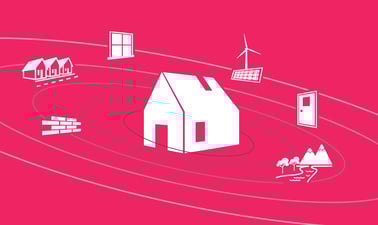
- Identify the scales of the built environment from materials and products to cities and regions.
- Identify the life-cycle phases of building products and how they can be circular.
- Discuss design principles in building of products and key aspects such as stakeholders, incentives, time-frames, business models.
- Discuss the circular design and development approach for buildings and recognize the impact of a building on society and the environment during its life-cycle.
- Recognize the flows at different city scales and how they differ depending on the actors and the local context.
- Reflect on the complexity and variety of possible circular solutions in terms of energy, water and waste management.
- Analyze and map the different stages and value webs of building materials at the regional level.
- Reflect on possible environmental impacts of the different building life-cycle stages and activities along the value web.
- Explore the potential of intervening to steer the value web towards more circularity.
See side-by-side differences in what you’ll learn
Description
Building construction is one of the most waste producing sectors. In the European Union, construction alone accounts for approximately 30% of the raw material input. In addition, the different life-cycle stages of buildings, from construction to end-of-life, cause a significant environmental impact related to energy consumption, waste generation and direct and indirect greenhouse gas emissions.
The Circular Economy model offers guidelines and principles for promoting more sustainable building construction and reducing the impact on our environment. If you are interested in taking your first steps in transitioning to a more sustainable manner of construction, then this course is for you!
In this course you will become familiar with circularity as a systemic, multi-disciplinary approach, concerned with the different scale, from material to product, building, city, and region.
Some aspects of circularity that will be included in this course are maximizing reuse and recycle levels by closing the material loops. You will also learn how the Circular Economy can help to realign business incentives in supply chains, and how consumers can be engaged and contribute to the transition through new business models enabling circular design, reuse, repair, remanufacturing and recycling of building components.
In addition, you will learn how architecture and urban design can be adapted according to the principles of the Circular Economy and ensure that construction is more sustainable. You will also learn from case studies how companies already profitably incorporate this new theory into the design, construction and operation of the built environment.
See how this course compares with alternatives
FAQs
Top Alternatives
Highly-rated courses worth your attention