Architecture Basics
Fundamental principles and concepts
FedericaX: Il Teatro e le sue illusioni prospettiche
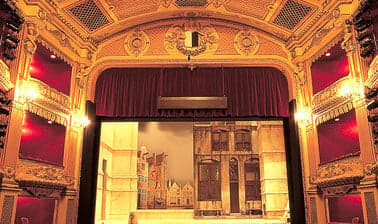
Il corso intende fornire i principi geometrici base per progettare e gestire la realizzazione di scene teatrali, che fondano la propria espressività sugli effetti prospettici delle architetture e degli spazi illusori allestiti sul palcoscenico.
radio_button_checkededX Subscription
₹10,634/yr
₹12,51015% OFF
Get this course and thousands more with a edX Subscription subscription.
radio_button_uncheckedIndividual Course
₹45650
Keep the course forever with lifetime access and receive a certificate.
TeamsBilled annually • 14-day free trial
₹28,072
EnterpriseFor organizations with 50+ learners
Custom Pricing
Why choose Essentials (Small Teams)?
verifiedGet this course for free with the Coursera Plus subscription.
✓ Compare courses before making a decision
Check Latest Price →Price may vary. Check latest price on provider site.
Course Insight
Suitable for beginner learners. This course serves as an entry point into Architecture, building foundational knowledge before moving on to advanced frameworks or specialized paths.
Beginner FriendlySelf-Paced Learning
SKILLS TO
MASTER
Practical ApplicationTrending
Real-world project implementationBest Practices
Industry standard workflows and guidelinesCareers:Relevant for professionals pursuing roles within Architecture.
Quick Facts
Below sections are verified from last major sync. For real-time updates and today's latest lectures, Check official page here.
What You’ll Learn
- • La storia della scenografia • Cenni di scenotecnica • I basilari principi geometrici per la progettazione e la gestione delle scene teatrali..
- In this course, you will learn: • the history of scenography; • hints of stagecraft; • the basic geometrical principles for the planning and management of the theatrical scenes..
See side-by-side differences in what you’ll learn
Description
Il corso intende fornire allo studente i basilari principi geometrici per la progettazione e la gestione del progetto di quelle scene teatrali, che fondano la propria espressività sugli effetti prospettici delle architetture e degli spazi illusori allestiti sul palcoscenico. La scenografia teatrale è una disciplina caratterizzata da un insieme complesso di fasi, che mirano ciascuna a ricreare un voluto effetto illusorio, ideato in prima istanza dallo scenografo con la creazione del bozzetto della scena. Il bozzetto, realizzato in prospettiva, è una immagine pittorica che contiene tutte le indicazioni necessarie all'allestimento della scena, di cui deve essere garantita l'esatta trasposizione nello spazio del palcoscenico. Lo strumento di progettazione, controllo e di realizzazione della voluta illusione progettata nel bozzetto una particolare scena è da secoli la prospettiva. Il corso fornisce alcuni indispensabili principi geometrici per la progettazione della prospettiva solida accelerata, metodo illusorio di costruzione di uno spazio fisico che simula agli occhi degli spettatori profondità maggiori di quelle realmente esistenti nello spazio del palco teatrale. Attraverso un sintetico percorso tra le tappe storiche fondamentali toccate dalla scenografia dal XVI secolo ad oggi e grazie all'acquisizione di alcuni cenni di scenotecnica, il corso si propone di guidare lo studente nella gestione dei processi geometrici che intervengono nella trasposizione scenica del bozzetto, dall’immagine dipinta, e dunque bidimensionale, alla tridimensionalità dello spazio del palcoscenico teatrale. Si presentano infine i lavori di tre tesi di laurea, allo scopo di mostrare allo studente come un uso consapevole della dei processi prospettici applicati alle illusioni della scena teatrale ha reso possibile tre proposte di allestimento di alcune tra le principali e più famose opere liriche: l’Aida, la Tosca e la Madama Butterfly.
The scope of this course is to provide the students with the basic geometrical principals on the planning and management of those theatrical scenes characterized by the stage’s architecture and illusion spaces’ perspective effects. Theatrical scenography is made of several complex phases aiming at recreating an intended illusory effect firstly sketched by the scenographer. The sketch is made in perspective and it consists in a painting containing all the instructions needed for its exact implementation on the stage. In fact, the planning, control and reproduction of a specific desidered illusion on a scene has been granted for centuries now, by perspective. This MOOC will present some of the essential geometric principles on the accelerated solid perspective, i.e. an illusory method used for the construction of a physical space tricking the audience with greater depths than there actually are on the stage. Moreover, the students will master the geometry behind the scenic reproduction of the sketch: from the two-dimensional painting to the three-dimensional space of the stage, by going on a short journey through the historical phases of scenography from the XVIth century to today and through the acquisition of fundamental concepts of this discipline. This course will finally show how the conscious use of the perspective processes applied to the theatrical scene has led to the stage implementation of three graduation thesis proposals in three famous operas: Aida, Tosca and Madama Butterfly.
See how this course compares with alternatives