Art & Culture Basics
Fundamental principles and concepts
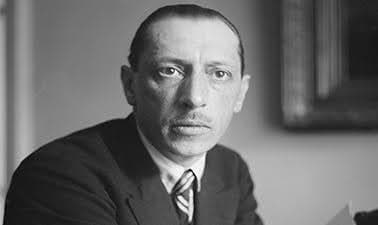
HarvardX: First Nights - Stravinsky’s Rite of Spring: Modernism, Ballet, and Riots
Learn the fascinating history of Igor Stravinsky’s The Rite of Spring , one of the most challenging and rewarding ballets ever written.
radio_button_checkededX Subscription
₹12,510/yr
Get this course and thousands more with a edX Subscription subscription.
radio_button_uncheckedIndividual Course
₹123670
Keep the course forever with lifetime access and receive a certificate.
TeamsBilled annually • 14-day free trial
₹33,026
EnterpriseFor organizations with 50+ learners
Custom Pricing
Why choose Essentials (Small Teams)?
verifiedGet this course for free with the Coursera Plus subscription.
✓ Compare courses before making a decision
Check Latest Price →Price may vary. Check latest price on provider site.
Course Insight
Suitable for beginner learners. This course serves as an entry point into Art & Culture, building foundational knowledge before moving on to advanced frameworks or specialized paths.
Beginner FriendlyCertification IncludedSelf-Paced Learning
SKILLS TO
MASTER
Practical ApplicationTrending
Real-world project implementationBest Practices
Industry standard workflows and guidelinesCareers:Relevant for professionals pursuing roles within Art & Culture.
Quick Facts
Below sections are verified from last major sync. For real-time updates and today's latest lectures, Check official page here.
What You’ll Learn
- Identify and describe forms and techniques used in 20th-century orchestral music.
- Understand approaches to ballet choreography in the 20th century.
- Appreciate cultural context and performance circumstances of Stravinsky’s The Rite of Spring.
See side-by-side differences in what you’ll learn
Description
Igor Stravinsky’s The Rite of Spring premiered in Paris in 1913, sparking a riot and screaming so loud that the dancers could not hear the orchestra, and the choreographer had to shout numbers from backstage to keep the dancers on beat.
The Rite of Spring continues to challenge listeners. According to Stravinsky, The Rite of Spring was intended to portray “the surge of spring, the magnificent upsurge of nature reborn.” As you will see, Stravinsky’s description is almost frighteningly apt!
Harvard’s Thomas Forrest Kelly (Morton B. Knafel Professor of Music) guides learners through The Rite of Spring , highlighting not only the contributions of Stravinsky, the composer, but also those of his collaborators. Professor Kelly takes learners through the ballet’s development, rehearsals, and finally, premiere performance, and he explores just how and why The Rite of Spring challenged (and to a certain extent, continues to challenge) its listeners.
You will learn about the ballet’s innovative choreography, the basics of 20th-century orchestral form and technique, and the circumstances of this ballet’s first performance and subsequent history. Learners in this course need not have any prior musical experience.
See how this course compares with alternatives
FAQs
Top Alternatives
Highly-rated courses worth your attention