Computer Science Basics
Fundamental principles and concepts
MITx: Circuits and Electronics 3: Applications
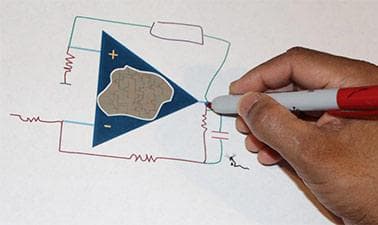
Learn about cool applications, op-amps and filters in the design of microchips used in smartphones, self-driving cars, computers, and the internet.
radio_button_checkededX Subscription
₹12,510/yr
Get this course and thousands more with a edX Subscription subscription.
radio_button_uncheckedIndividual Course
₹156870
Keep the course forever with lifetime access and receive a certificate.
TeamsBilled annually • 14-day free trial
₹33,026
EnterpriseFor organizations with 50+ learners
Custom Pricing
Why choose Essentials (Small Teams)?
verifiedGet this course for free with the Coursera Plus subscription.
✓ Compare courses before making a decision
Check Latest Price →Price may vary. Check latest price on provider site.
Course Insight
Suitable for intermediate learners. Works well as a continuation after mastering Computer Science fundamentals. It bridges the gap toward advanced, production-level engineering.
Intermediate FriendlyCertification IncludedSelf-Paced Learning
SKILLS TO
MASTER
Practical ApplicationTrending
Real-world project implementationBest Practices
Industry standard workflows and guidelinesCareers:Relevant for professionals pursuing roles within Computer Science.
Quick Facts
Below sections are verified from last major sync. For real-time updates and today's latest lectures, Check official page here.
What You’ll Learn
- How to construct and analyze filters using capacitors and inductors.
- How to use intuition to describe the approximate time and frequency behavior of second-order circuits containing energy storage elements (capacitors and inductors).
- The relationship between the mathematical representation of first-order circuit behavior and corresponding real-life effects.
- Circuits applications using op-amps.
- Measurement of circuit variables using tools such as virtual oscilloscopes, virtual multimeters, and virtual signal generators.
- How to compare the measurements with the behavior predicted by mathematical models and explain the discrepancies.
See side-by-side differences in what you’ll learn
Description
Want to learn how your radio works? Wondering how to implement filters using resistors, inductors, and capacitors? Wondering what are some other applications of RLC and CMOS circuits? This free circuits course, taught by edX CEO and MIT Professor Anant Agarwal and MIT colleagues, is for you.
The third and final online Circuits and Electronics courses is taken by all MIT Electrical Engineering and Computer Science (EECS) majors.
Topics covered include: dynamics of capacitor, inductor and resistor networks; design in the time and frequency domains; op-amps, and analog and digital circuits and applications. Design and lab exercises are also significant components of the course.
Weekly coursework includes interactive video sequences, readings from the textbook, homework, online laboratories, and optional tutorials. The course will also have a final exam.
This is a self-paced course, so there are no weekly deadlines. However, all assignments are due when the course ends.
See how this course compares with alternatives
FAQs
Top Alternatives
Highly-rated courses worth your attention