Art & Culture Basics
Fundamental principles and concepts
SmithsonianX: རིག་གནས་བསྡུ་འཇུག་དང་ཉར་ཚགས་བྱེད་པའི་ཐབས་ལམ་མདོར་བསྡུས། | Methods and Techniques for Documenting and Preserving Tibetan Culture
ང་ཚོས་ཁྱིམ་ཚང་དང་མི་སྡེ་ཞིག་གི་འཚོ་བའི་གཞི་རྩ་ཡིན་པའི་གནས་ཡོད་རིག་གནས་སྲོལ་རྒྱུན་སྐོར་ཅི་ལྟར་བསྡུ་འཇུག་དང་ཉར་ཚགས་བྱེད་རྒྱུའི་སྐོར་ལ་སློབ་སྦྱོང་བྱེད་རྒྱུ་ཡིན། Learn how to document and preserve living cultural traditions, the foundation for family and community life on the Tibetan Plateau today.
radio_button_checkededX Subscription
₹12,510/yr
Get this course and thousands more with a edX Subscription subscription.
radio_button_uncheckedIndividual Course
₹7470
Keep the course forever with lifetime access and receive a certificate.
TeamsBilled annually • 14-day free trial
₹33,026
EnterpriseFor organizations with 50+ learners
Custom Pricing
Why choose Essentials (Small Teams)?
verifiedGet this course for free with the Coursera Plus subscription.
✓ Compare courses before making a decision
Check Latest Price →Price may vary. Check latest price on provider site.
Course Insight
Suitable for beginner learners. This course serves as an entry point into Art & Culture, building foundational knowledge before moving on to advanced frameworks or specialized paths.
Beginner FriendlyCertification IncludedSelf-Paced LearningHands-On Learning
SKILLS TO
MASTER
Practical ApplicationTrending
Real-world project implementationBest Practices
Industry standard workflows and guidelinesCareers:Relevant for professionals pursuing roles within Art & Culture.
Quick Facts
Below sections are verified from last major sync. For real-time updates and today's latest lectures, Check official page here.
What You’ll Learn
- བོད་ཀྱི་རིག་གནས་བསྡུ་འཇུག་བྱེད་པའི་རིན་ཐང་དང་གལ་གནད།.
- ད་ལྟ་དངོས་སུ་གནས་ཡོད་པའི་་ཉིན་རེའི་འཚོ་བའི་རིག་གནས་སྲོལ་རྒྱུན་དག་རྒྱུད་འཛིན་དང་ཉར་ཚགས་བྱེད་པའི་རིན་ཐང་དང་གལ་གནད།.
- བཅར་འདྲི་དང་ཞིབ་འཇུག་སྣ་ཚོགས་ལ་ཅི་ལྟར་གྲ་སྒྲིག་བྱེད་པ།.
- སྒྲ་དང་བརྙན་གྱི་སྒོ་ནས་རྒྱུ་ཆ་བསྡུ་འཇུག་བྱེད་སྐབས་ཀྱི་ཡོ་ཆས་ཅི་ལྟར་འདེམ་ཀ་དང་བཀོད་སྤྱོད་བྱེད་པ།.
- གྲངས་ཐོ་བསྡུ་གསོག་དང་ཡིག་སྣོད་བཀོད་འཛིན་ཅི་ལྟར་བྱེད་པ།རྒྱུ་ཆ་སོགས་ཅི་ལྟར་དངོས་གཟིགས་་དང་ཨང་ཀིའི་འགྲོ་ལུགས་ངང་མི་རབས་རྗེས་མ་ལ་ཉར་ཚགས་བྱེད་པ།.
- མི་སྡེ་དག་ནས་བསྡུ་འཇུག་བྱས་པའི་རྒྱུ་ཆ་དག་དང་ཞིབ་འཇུག་གི་འབྲས་བུ་ཅི་ལྟར་མི་སྡེ་དེ་དག་ལ་ཕྱིར་འགྲེམས་པ།.
- ཨ་རིའི་སི་མེ་ཟོ་ཉན་དམངས་སྲོལ་དང་རིག་གནས་ཤུལ་བཞག་རྒྱུད་འཛིན་ལྟེ་གནས་ཀྱིས་ཅི་ལྟར་ཞིབ་འཇུག།སློབ་གསོ་དང་མང་ཚོགས་ནང་ཞུགས་པ་བརྒྱུད་རིག་གནས་ཤུལ་བཞག་རྒྱུད་འཛིན་དང་དེའི་གོ་རྟོགས་འཛམ་གླིང་རང་བཞིན་ཏུ་རྒྱ་ཆེར་གཞུན་བསླངས་བྱེད་པ།.
- The value and importance of documenting living Tibetan traditions.
- The value and importance of inheriting and preserving these living traditions.
- How to prepare for conducting interviews and other types of fieldwork.
- How to choose and use recording equipment, both audio and video.
- How to collect data, manage files, and preserve these materials in both analog and digital formats for future generations.
- How to redistribute these materials and present your research to the communities that have been documented.
- How the Smithsonian Institution’s Center for Folklife and Cultural Heritage helps to promote greater understanding and sustainability of cultural heritage around the world through research, education, and community engagement.
See side-by-side differences in what you’ll learn
Description
སློབ་ཚན་འདི་དག་གིས་ཉམས་ཞུགས་པ་རྣམས་ལ་མདོ་དབུས་ཁམས་གསུམ་གྱི་མི་སྡེ་ཁག་གིས་ལག་ལེན་དུ་བྱེད་བཞིན་པའི་རིག་གནས་སྲོལ་རྒྱུན་དག་བསྡུ་འཇོག་དང་ཉར་ཚགས་བྱེད་པའི་སྐོར་ལ་ཁ་ཐོག་ལག་བཞག་གི་ལམ་སྟོན་བྱེད་ཐུབ།རིག་གནས་ཞིབ་འཇུག་མཁན་དང་གློག་བརྙན་བཟོ་མཁན་དག་གིས་ཕྱོགས་གཉིས་ནས་ཉམས་ཞུགས་པ་རྣམས་ལ་མཚམས་སྦྱོར་བྱེད་རྒྱུ་ཡིན།གཅིག།ཡུལ་དངོས་ཞིབ་འཇུག་ཅི་ལྟར་བྱེད་པ་དང་།ཁྱིམ་མི་དང་མི་སྡེ་་ཞིག་གི་མི་སྣ་ཁ་ཤས་ལ་བཅར་འདྲི་ཐོ་འགོད་ཅི་ལྟར་བྱེད་པའིསྐོར།གཉིས།བསྡུ་ལེན་བྱས་པའི་རྒྱུ་ཆ་དག་ཅི་ལྟར་ཉར་ཚགས།གཅེས་ཉར་དང་དཀར་ཆགས་ཏུ་འགོད་པའི་སྐོར།
རིག་གནས་བསྡུ་འཇུག་བྱས་པ་བརྒྱུད་ནས་ང་ཚོའི་འདས་ཟིན་པ་ལ་ཤེས་རྟོགས་བྱུང་ཐུབ་པ་མ་ཟད།ད་ལྟ་དངོས་ཡོད་ཀྱི་ཉིན་རེའི་འཚོ་བའི་རིག་གནས་སྟེ།བཟའ་བཏུང་།དུས་སྟོན་མཛད་སྒོ།ལག་བཟོ།རོལ་མོ།ལས་འཛིན་དང་ལག་རྩལ་གྱི་སྐོར་སོགས་གསར་རྙེད་དང་ཤེས་རྟོགས་བྱུང་སྲིད།དེ་མ་ཟད་རྒྱུ་ཆ་འདི་དག་གིས་མི་སྡེ་ཞིག་གི་འཚོ་བ་དང་དེའི་རིན་ཐང་ཤུགས་ཆེན་པོར་མཚོན་ཐུབ།
སློབ་ཚན་ཚང་མ་བོད་ཡིག་བོད་སྐད་ནས་ཡིན་ལ།དཔེ་དེབ་ནི་ཨ་རིའི་སི་མེ་ཟོ་ཉན་གྱི་དམངས་སྲོལ་དང་ངག་བརྒྱུད་ལོ་རྒྱུས་ཀྱི་བཅར་འདྲིའི་སྣེ་ཤན་དེབ་ཆུང་ཞེས་པ་བོད་ཡིག་ཏུ་བསྒྱུར་བ་གཞིར་བཞག་བྱས་ཡོད།སློབ་ཚན་འདི་དག་གིས་ལྟོས་བཅོས་ལས་གྲངས་ཀ་ཉུང་ཉུང་ཡིན་པའི་བོད་ཀྱི་དེང་རབས་ངག་བརྒྱུད་ལོ་རྒྱུས་ཐོ་འགོད་དང་ཉར་ཚགས་བྱས་ཟིན་པའི་རྒྱུ་ཆའི་སྟེང་ཁ་སྣོན་བྱེད་མཁན་གྱི་ངག་བརྒྱུད་ལོ་རྒྱུས་ཞིབ་འཇུག་མཁན་མང་པོ་ཞིག་གྲ་སྒྲིག་དང་གསོ་སྐྱོང་བྱེད་ཐུབ་ལ།ངག་བརྒྱུད་ལོ་རྒྱུས་འདི་དག་གིས་མདོ་དབུས་ཁམས་གསུམ་གྱི་མི་དམངས་ཀྱི་འཚོ་བ་ཅུང་ཆ་ཚང་ཞིག་མཚོན་ཐུབ་པའི་རྒྱུ་ཆ་མཁོ་འདོན་བྱེད་ཐུབ།
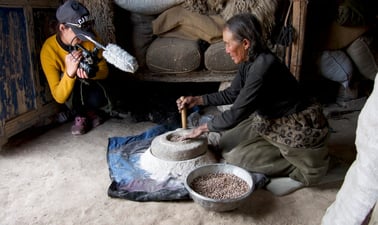
This course offers participants a practical guide for documenting, preserving, and archiving the traditions and cultural practices of communities on the Tibetan Plateau. Cultural researchers and filmmakers will share their methods for conducting fieldwork and recording interviews with family members and community figures, and preserving, cataloging, and archiving these materials for future generations.
By documenting culture, we discover and learn not only the past, but also the vast reservoir of living culture—the foodways, celebrations, crafts, music, occupations, and skills—that are part of daily experience. These materials powerfully express community life and values. They anchor us in a larger whole, connect us to the past, ground us firmly in the present, and give us an undeniable sense of identity, belonging, and purpose.
This course is conducted entirely in Tibetan with the Tibetan translation of the Smithsonian Folklife and Oral History Interview Guide as its text. It will prepare researchers to add to the relatively limited number of recorded and achieved contemporary Tibetan oral histories, which create a more holistic image of life on the Tibetan Plateau and beyond.
See how this course compares with alternatives
FAQs
Top Alternatives
Highly-rated courses worth your attention