Architecture Basics
Fundamental principles and concepts
TokyoTechX: Modern Japanese Architecture Part 1: From Meiji Restoration to the Pacific War
Explore key elements of modern Japanese architecture and related history with a focus on its Westernization covering the period from 1868 to 1945.
radio_button_checkededX Subscription
₹12,510/yr
Get this course and thousands more with a edX Subscription subscription.
radio_button_uncheckedIndividual Course
₹48970
Keep the course forever with lifetime access and receive a certificate.
TeamsBilled annually • 14-day free trial
₹33,026
EnterpriseFor organizations with 50+ learners
Custom Pricing
Why choose Essentials (Small Teams)?
verifiedGet this course for free with the Coursera Plus subscription.
✓ Compare courses before making a decision
Check Latest Price →Price may vary. Check latest price on provider site.
Course Insight
Suitable for intermediate learners. Works well as a continuation after mastering Architecture fundamentals. It bridges the gap toward advanced, production-level engineering.
Intermediate FriendlyCertification IncludedSelf-Paced Learning
SKILLS TO
MASTER
Practical ApplicationTrending
Real-world project implementationBest Practices
Industry standard workflows and guidelinesCareers:Relevant for professionals pursuing roles within Architecture.
Quick Facts
Below sections are verified from last major sync. For real-time updates and today's latest lectures, Check official page here.
What You’ll Learn
- How Japanese architecture came to differ from that of the West.
- A brief cultural history of Japan in the modern period.
- Greater understanding of the works of several prominent Japanese designers.
- Materials and design methods used by architects in Japan.
- Overall goals and constraints affecting early Japanese architects.
See side-by-side differences in what you’ll learn
Description
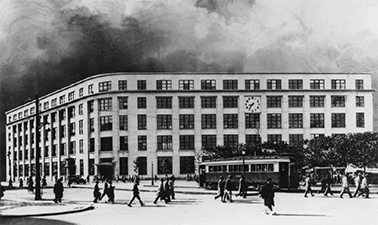
First, we'll begin from the year 1868 with Japan's emergence as a new nation. Its new and increasingly Western-style capital city of Tokyo grew upon the foundations of a far smaller seventeenth-century town called Edo surrounding a feudal castle. Before long, changing building methods and materials foretold a different age. By the turn of the twentieth century, a strong contrast between the old-style, low, wooden, Japanese structures and up-to-date modern buildings, first distinguished by red brick and later by industrially produced materials, was clearly visible to any and all.We'll discuss the intensive process of Westernization set in motion by Japan's imitation of European and American lifestyles. From that angle, we'll see how architects began to seek out their own version of early twentieth-century Modernism. As a starting point, Japanese practice followed the novel rational and "functionalist" innovations of the Franco-Swiss architect Le Corbusier and the stripped-down and up-to-date approach of Walter Gropius, director of the famous German art school known as the Bauhaus. Meanwhile, Japan had embarked upon educating its own architects, who were no longer the older skilled master carpenters trained on site. A distinct, if frequently eclectic, style evolved with a few younger Japanese seeking experience abroad. Our course seeks to discuss and illustrate the roots of Modernist building in Japan over approximately three quarters of a century in Part 1.
See how this course compares with alternatives
FAQs
Top Alternatives
Highly-rated courses worth your attention