Communication Basics
Fundamental principles and concepts
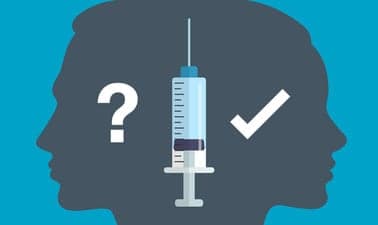
UQx: Antivaccination and Vaccine Hesitancy
Join us on AVAXX101 to increase your understanding of vaccine hesitancy, and get equipped to respond to antivaccination claims.
radio_button_checkededX Subscription
₹12,510/yr
Get this course and thousands more with a edX Subscription subscription.
radio_button_uncheckedIndividual Course
₹107070
Keep the course forever with lifetime access and receive a certificate.
TeamsBilled annually • 14-day free trial
₹33,026
EnterpriseFor organizations with 50+ learners
Custom Pricing
Why choose Essentials (Small Teams)?
verifiedGet this course for free with the Coursera Plus subscription.
✓ Compare courses before making a decision
Check Latest Price →Price may vary. Check latest price on provider site.
Course Insight
Suitable for beginner learners. This course serves as an entry point into Communication, building foundational knowledge before moving on to advanced frameworks or specialized paths.
Beginner FriendlyCertification IncludedSelf-Paced LearningHands-On Learning
SKILLS TO
MASTER
Practical ApplicationTrending
Real-world project implementationBest Practices
Industry standard workflows and guidelinesCareers:Relevant for professionals pursuing roles within Communication.
Quick Facts
Below sections are verified from last major sync. For real-time updates and today's latest lectures, Check official page here.
What You’ll Learn
- Examine the science of vaccines, including vaccination safety and effectiveness..
- Recognise why some people are hesitant about vaccines..
- Identify twelve vaccine myths, and seven antivaccination persuasion strategies..
- Recognise what not to do when trying to dispel vaccine myths..
- Investigate ways of responding effectively to vaccine hesitant individuals..
See side-by-side differences in what you’ll learn
Description
In 2019 the World Health Organization listed vaccine hesitancy as one of the top ten threats to global health. Vaccine hesitancy is the reluctance or refusal to vaccinate. Even though vaccines are available to many people, doubts about their safety and effectiveness jeopardises important progress made in tackling vaccine-preventable diseases.
Numerous countries which had at one time been declared free of vaccine preventable diseases, such as measles, are again experiencing measles outbreaks. Many health workers from around the globe also report encountering parents who are hesitant about having their own children vaccinated. These hesitancies can be fuelled by misinformation about vaccines being harmful or unnecessary, claims that there is a global conspiracy behind vaccines, as well as distrust of government and healthcare professionals.
Such vaccine doubts might seem surprising, because vaccination is one the greatest public health achievements in human history, which saves millions of lives every year. Yet vaccine hesitancy is complex, and there are several central reasons why people choose to delay or decline getting vaccinated.
This course will enable you to understand this complicated issue and what lies behind vaccine hesitancy. It will also equip you with key skills for responding to antivaccination claims. You will engage with the science of vaccination and learn crucial information about why vaccines are safe and effective. Additionally, the course examines the most well-known vaccine myths and antivaccination persuasion strategies. These myths include stories about vaccines causing autism, questions about whether too many vaccines can overload a child’s immune system, as well conspiratorial claims that vaccines are major money-makers for BigPharma, government and doctors.
The course will also prepare you with the most effective strategies for addressing vaccine doubts expressed by hesitant patients, friends, or relatives. You will gain practical advice from leading research on vaccine refusal and learn about ways to improve vaccine advocacy in the face of immunisation hesitancies.
This isn’t just a course about vaccines and antivaccination, but it’s a MOOC dedicated to confronting one of the most significant threats to global health today.
See how this course compares with alternatives